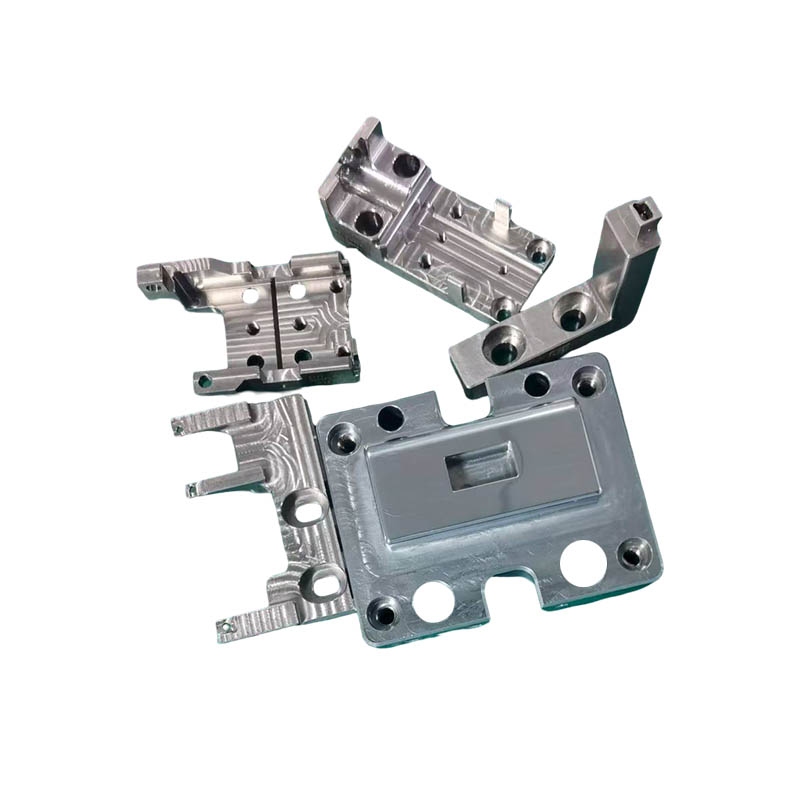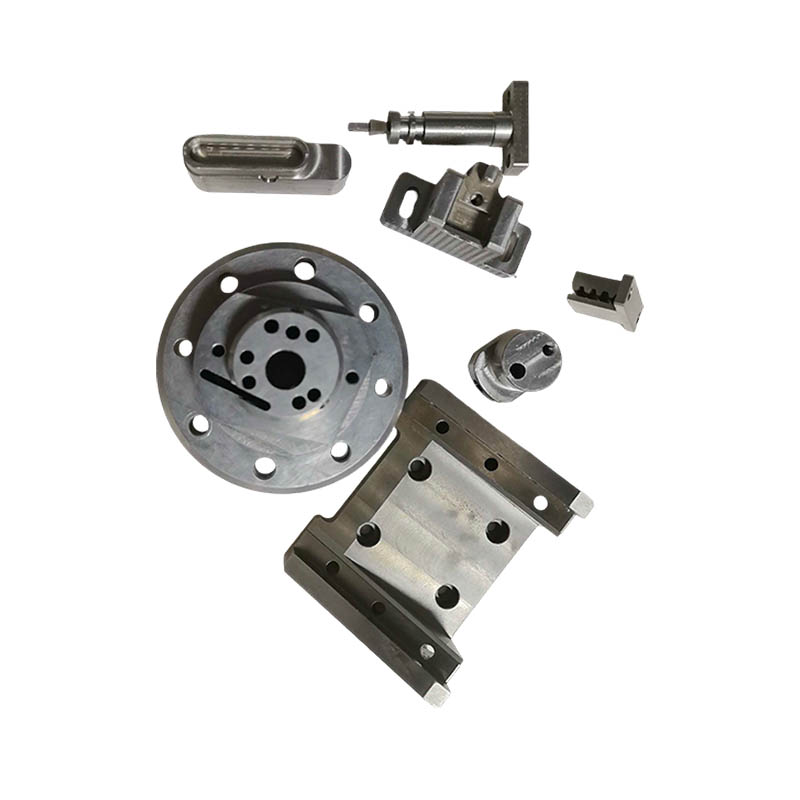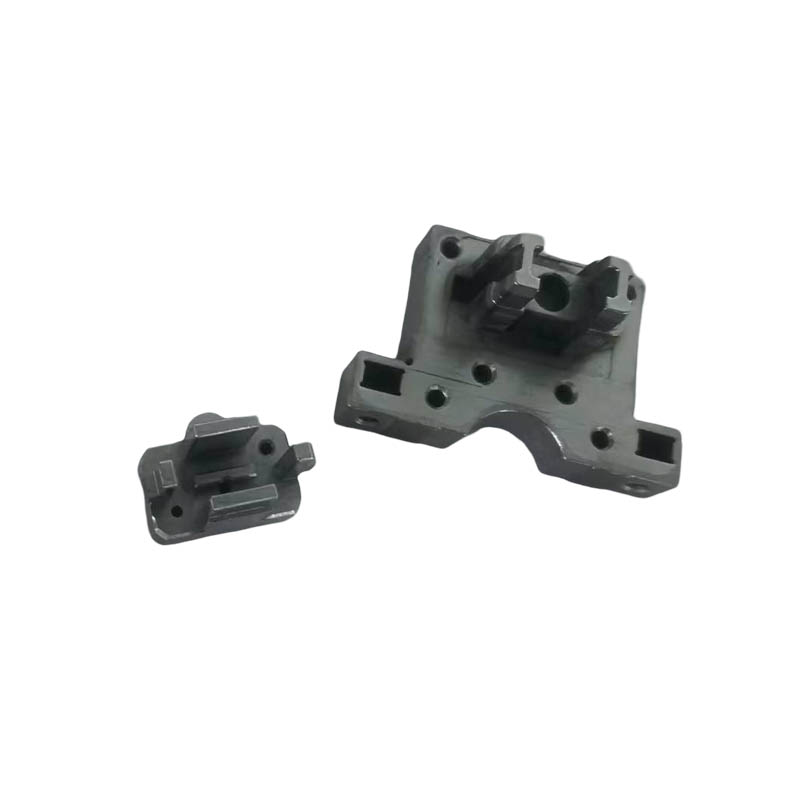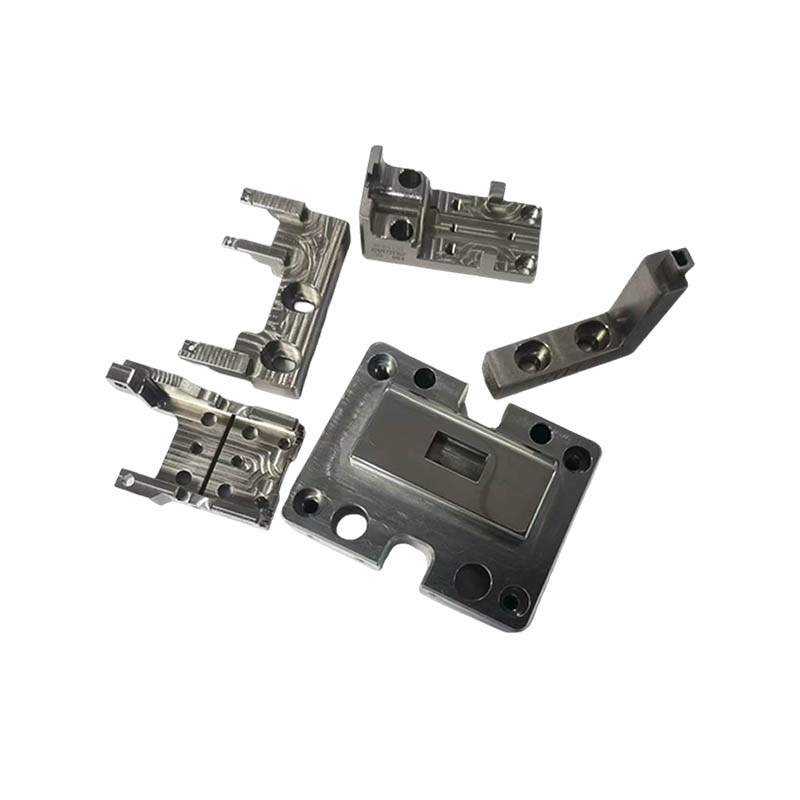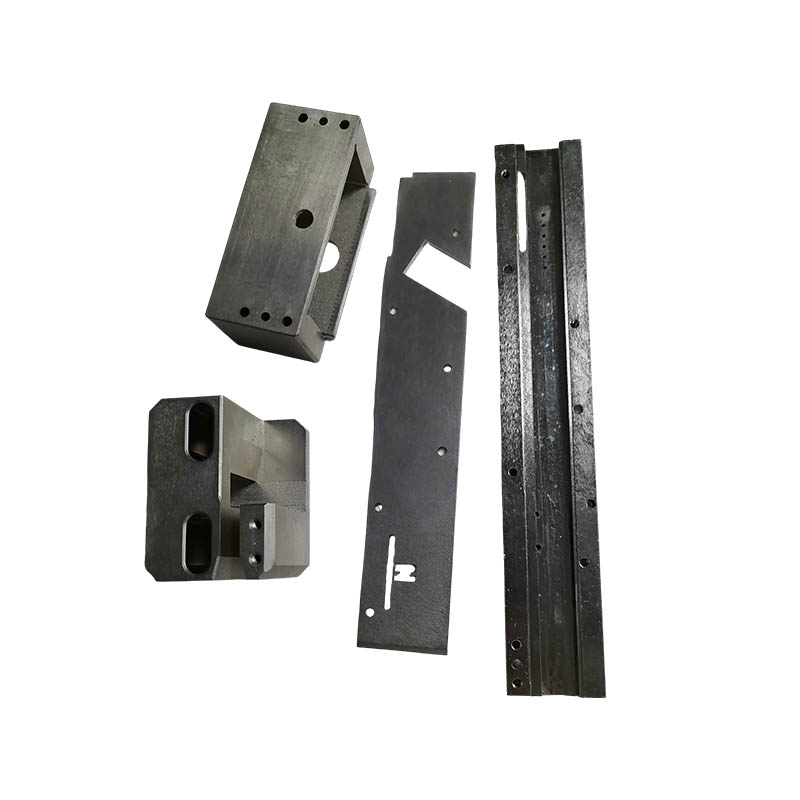

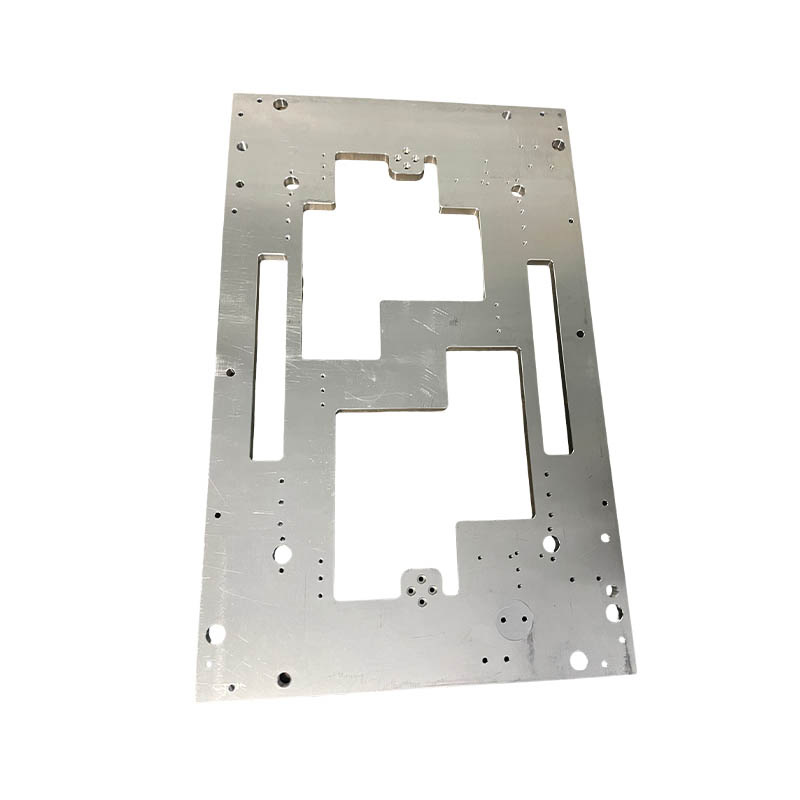
In aerospace, medical devices, and high-end equipment industries, special-shaped parts processing, with its complex geometry, asymmetrical structure, and stringent tolerance requirements, presents a significant challenge in manufacturing processes.
In the aerospace field, the performance, safety, and lightweighting of aircraft heavily rely on thousands of precision components. Special-shaped parts processing—referring to mechanical components with complex shapes, non-standard structures, and highly
Deep within modern high-end manufacturing, there exists a category of parts: they lack regular cylinders or planes, instead being composed of free-form surfaces, deep cavities, interlaced hole systems, or spatially twisted contours—these are called specia
In today's global manufacturing industry, which is rapidly moving towards intelligence, miniaturization, and high reliability, precision hardware machinery parts processing directly determines the performance and lifespan of the entire machine.
Material pretreatment is equally crucial. Annealing can eliminate internal stress, homogenize the microstructure, and reduce the risk of deformation during subsequent processing.
Environmental factors are often overlooked, yet their impact is significant. Temperature fluctuations cause metals to expand and contract with temperature changes, which in turn affects processing accuracy.